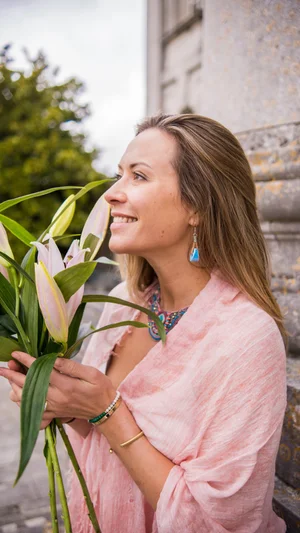
From Ocean to Mountain.
Sri Lanka Diaries. Part 3. From Ocean to Mountain: Reorganising the Inner Temple.
When I booked this trip, I didn’t overthink it. Yes, there was research. Yes, I looked at maps and lesser-touristed sites but the decision itself was intuitive.
I had always imagined taking a sabbatical when I turned forty. Strangely, that year came and went without the pull. And then, three months before my forty-first birthday, something shifted. The invitation became undeniable.
Sri Lanka appeared — not as a plan, but as a knowing.
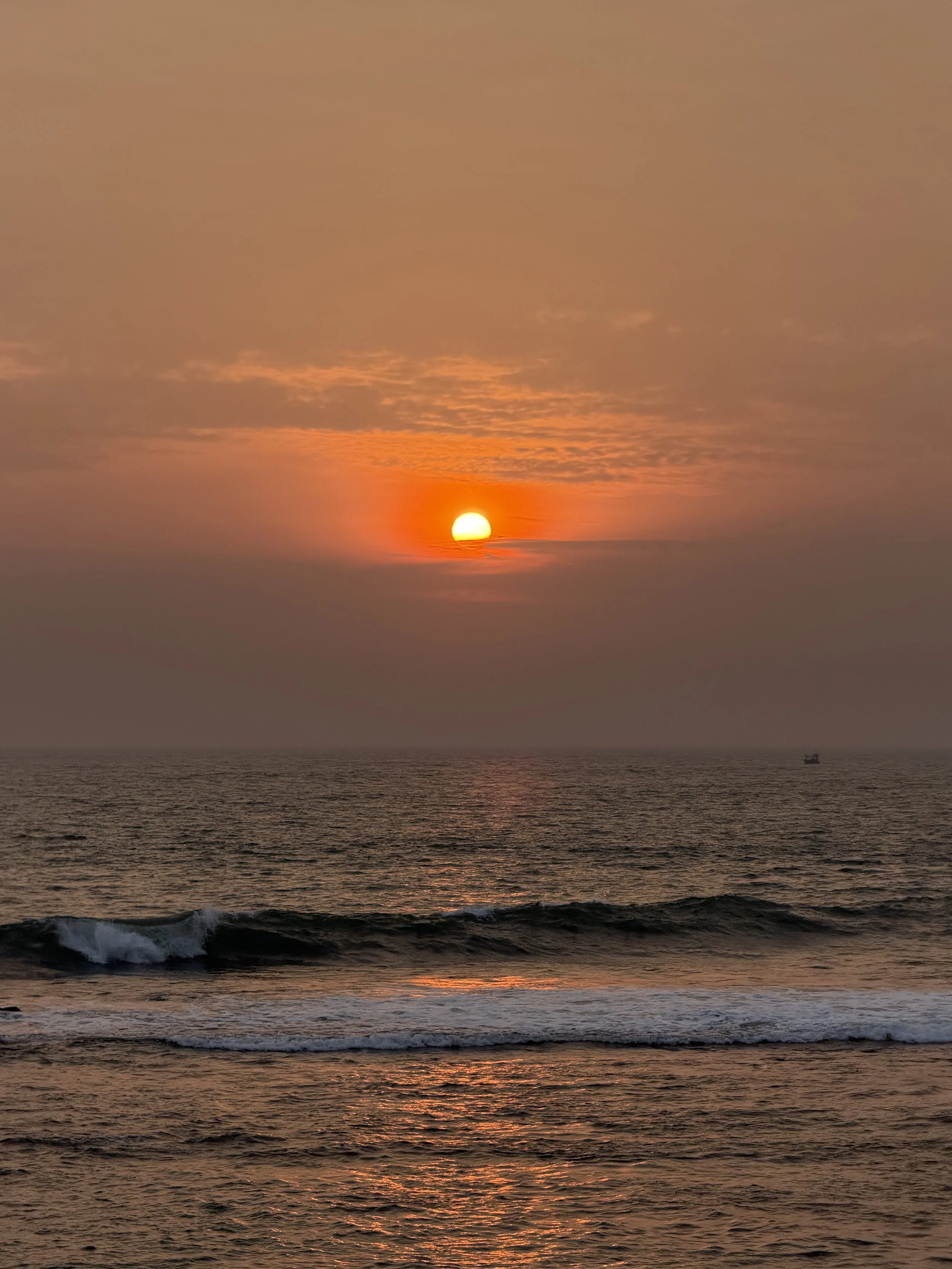
Sunset ay Galle Fort, Sri Lanka 2026.
It was important for me to begin by the sea. The Indian Ocean in the south of Sri Lanka carries a very active energy. It is not a quiet body of water. It is movement, force, unpredictability. The sun is strong. The waves are restless. The air is salty and alive.
Looking back now, I understand why I needed that first. The external noise allowed me to listen more closely to the internal quiet. The intention of this journey was simple: become observant.
Not productive.
Not performative.
Observant.
This is where my relationship with the Sri Yantra deepened.
For those who follow my work or practice with me, you know this isn’t decorative symbolism. The Sri Yantra is a geometric representation of the cosmos and the human body simultaneously — an interlocking matrix of upward and downward triangles symbolising the union of masculine and feminine principles, consciousness and energy, stillness and movement.
But for me, on this trip, it became something even more personal. It became structure.
Drawing it daily.
Studying it.
Sitting with it.
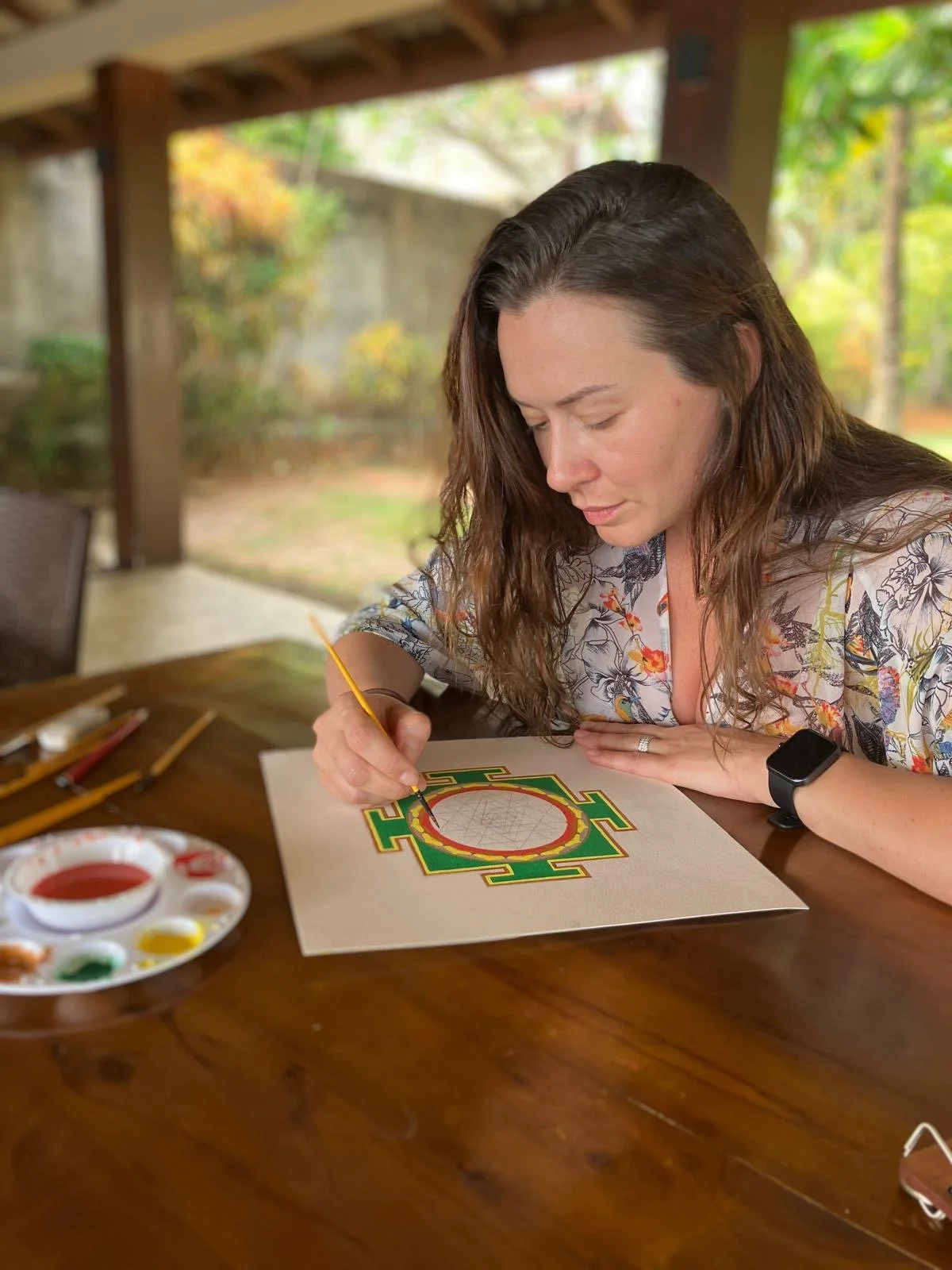
It felt like reorganising my inner temple.
I committed to a 40-day sādhana practice — a disciplined, repetitive devotional rhythm. Not glamorous. Not Instagram-worthy. Just consistent.
And consistency changes something.
The Sri Yantra teaches you that chaos has architecture.
That expansion requires centre.
That devotion creates alignment.
By the time I left the sea and travelled north toward Kandy, something inside me had already settled.
The transition itself felt symbolic.
From the fire and water elements of the coast — sun and ocean — into the mountains.
Into earth. Into air.
As the car climbed through winding roads, the energy softened. Shade replaced glare. Freshness replaced salt. The movement became vertical instead of horizontal.
And I could feel the shift internally. From stimulation to grounding.
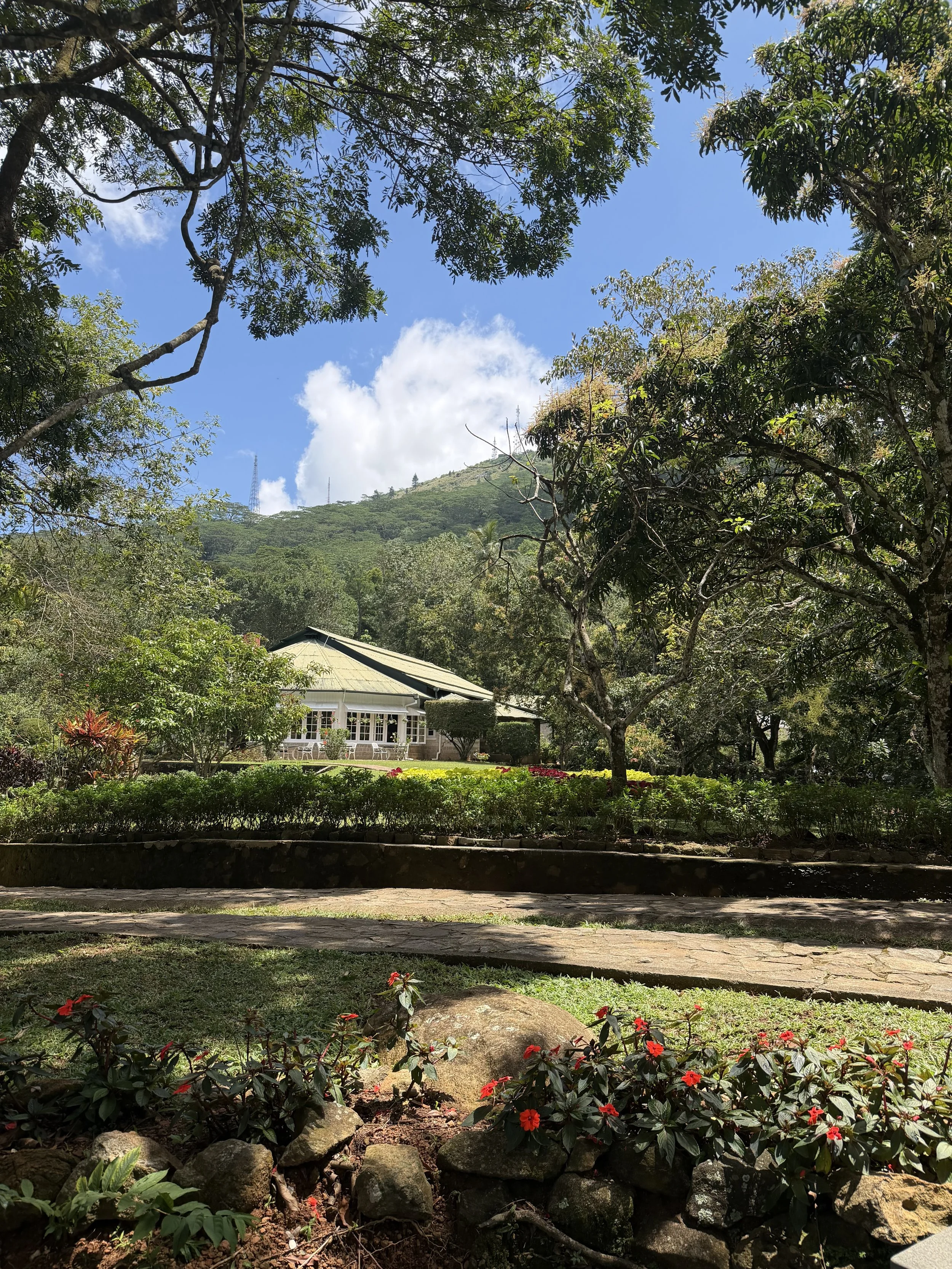
From outer expansion to inward reflection.
I booked a small bungalow high above the valley. Absolute tranquility. No background noise except wind and distant drums from a temple below.
As I write this, I’m looking at layers of mountains dissolving into mist. Kandy stretches beneath me. Temple drums echo across the valley.
My intention in coming here was not sightseeing.
It was proximity.
Proximity to the Temple of the Sacred Tooth Relic — one of the most important Buddhist temples in the World.
Not because I am Buddhist. But because I respect lineage.
Centuries of devotion shape a place. Centuries of prayer leave imprint.
And one Buddhist teaching has lived quietly in my heart for nearly two decades:
Suffering is necessary — until we realise it is not.
That teaching has matured inside me over the years not as philosophy, but as experience.
And here, in the mountains, with earth beneath me and air around me, I feel like I am beginning to understand it in a more embodied way. This chapter of the journey is less about movement and more about stillness.
A Gentle Note for My Yoga Community.
If you are drawn to sacred geometry, to meditation beyond technique, to philosophy lived rather than memorised — this is the foundation of the deeper work we explore in my trainings.
The Yantra drawing is not theory. It is a mirror.
And when approached with discipline and devotion, it becomes a way of organising your inner world — so you can teach from stability rather than inspiration alone.
With love and gratitude,
Victoria.